
— ICPA EDITORIAL —
Insights & Reflections
Essays on international protocol, cross-cultural intelligence, and the discipline of distinction. From the desk of The International Protocol Academy of Japan.
FEATURED
FEATURED
Testimonials
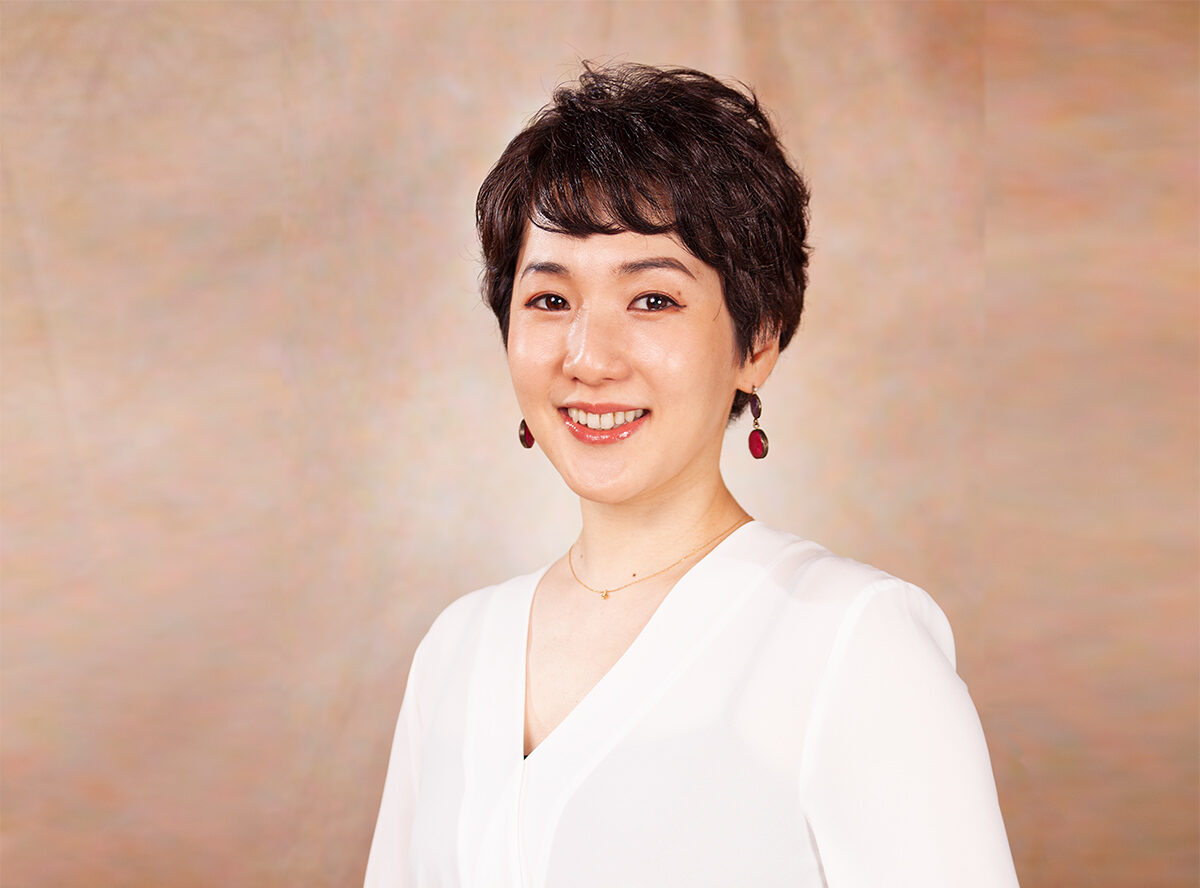
The Invisible Wall: An International Protocol Student Testimonial from Japan
Before a word is exchanged abroad, many professionals sense a wall that has nothing to do with language. S.Y., a graduate of ICPA in Japan, names what it is made...
Read Article →LATEST ARTICLES

Executive Training
Why Global Executives Need Protocol
Protocol is not polish. It is how senior leaders show respect, establish trust, and protect opportunities in international settings.
Japanese Protocol
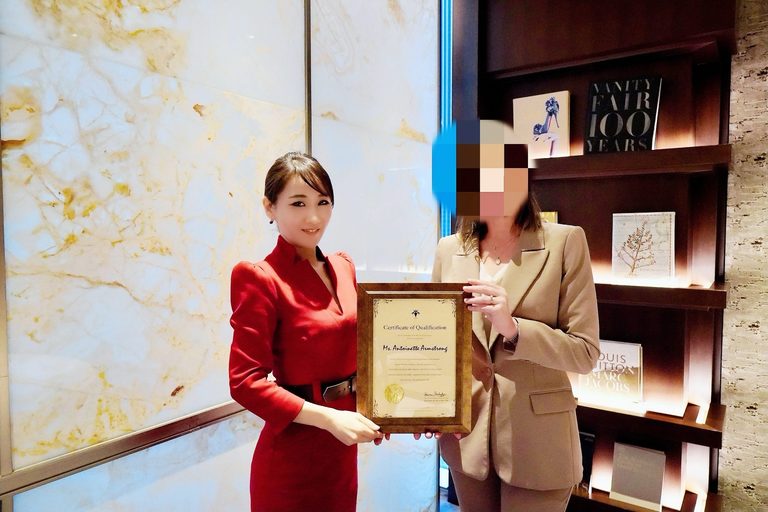
It Felt Like the White House — On Another Level Entirely
The first certified Japanese Diplomatic Protocol Specialist, AFSOC's Chief of Protocol reflects on the Imperial Palace, the State Guest House...
International Protocol
What Is Protocol? The True Meaning Behind a Word Often Mistaken for “Etiquette”
Many assume protocol is simply good manners—but strictly, it is not. Discover what protocol, or diplomatic protocol, truly means, how...
International Protocol
The Moment You Take Your Seat, Your Competence Is Already Being Read Executive protocol — and why Japan teaches it differently
Two ambassadors' carriages collided in 1661 London over who would pass first — and nearly started a war. Executive protocol...
Testimonials
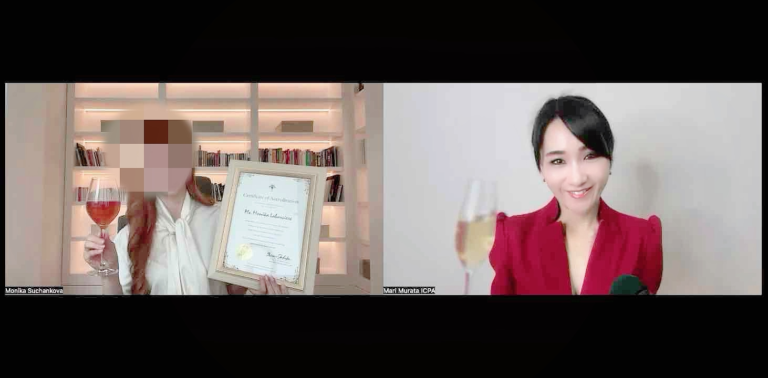
Reflections on My Learning Journey with ICPA – Written by Ms Monika Labossiere, Czech Republic
Etiquette consultant Monika Labossiere becomes the Czech Republic's first ICPA Specialist Qualification holder, reflecting on six months of study and...
International Protocol
What Is Protocol? Understanding the Difference Between Protocol and Etiquette
Protocol is not etiquette. ICPA explains the real distinction, why global executives need this literacy today, and why studying protocol...

Gentlemanship
A Gentleman Is Made, Not Born: Ten Principles Every Man Should Know
A gentleman is not born — he is built. Through dress, conduct, conversation, and the discipline to hold himself to...
International Protocol
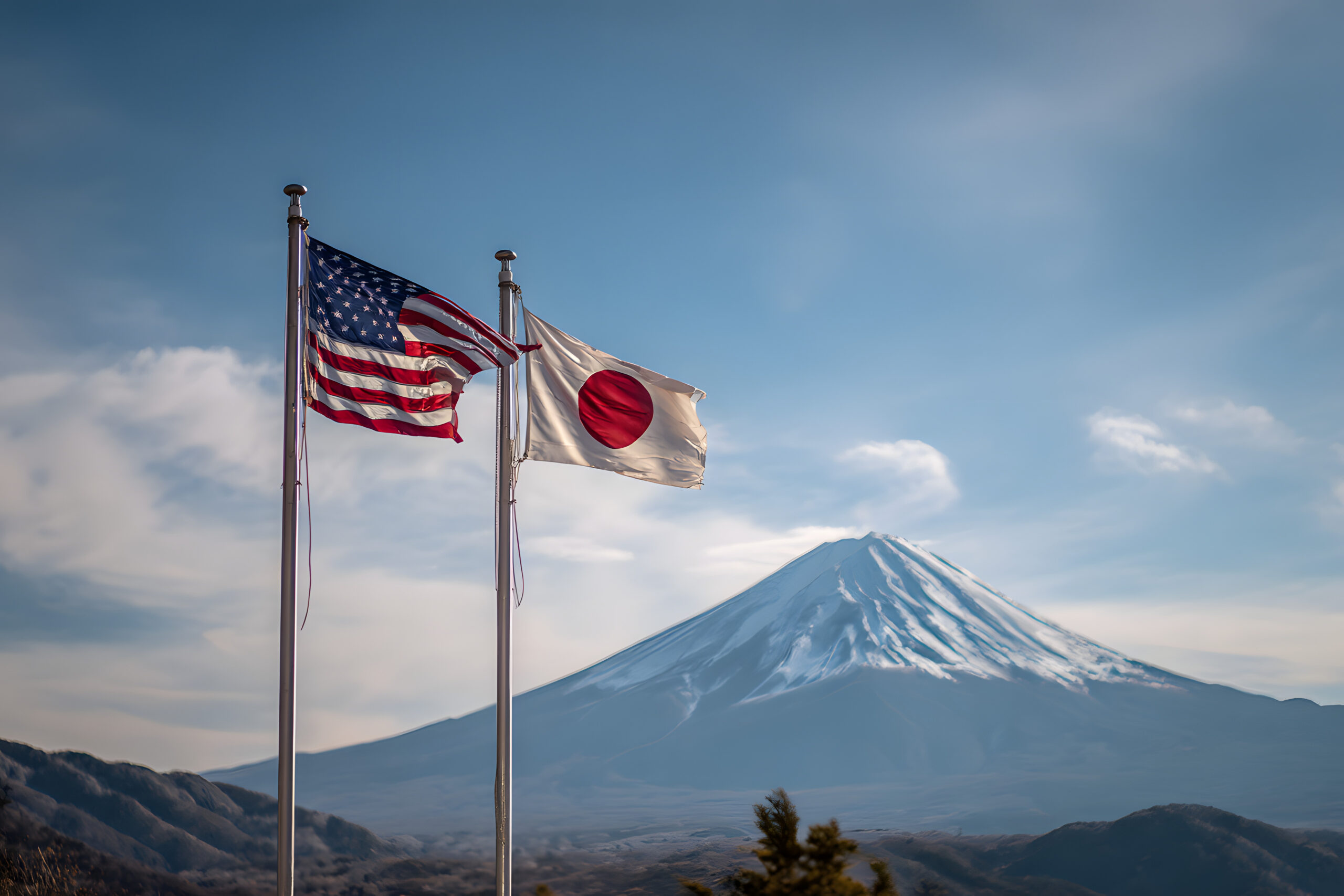
President Trump’s Audience with His Majesty the Emperor — Protocol, Humanity, and Japan’s Philosophy of Harmony
An expert reflection on President Trump’s audience with His Majesty the Emperor of Japan — exploring how diplomatic protocol and...

Executive Training
Human Qualities in the AI Era: What Executive Leadership Cannot Delegate
Human qualities in the AI era are conduct, not softness. From Callières in 1716 to today's research on trust, here...
◇
Each piece reflects ICPA’s commitment to elevating the practice of international protocol — for those who lead, represent, and bridge cultures.
Explore Our Programmes →