
AFSOC’s Chief of Protocol on seven days inside Japanese diplomatic protocol
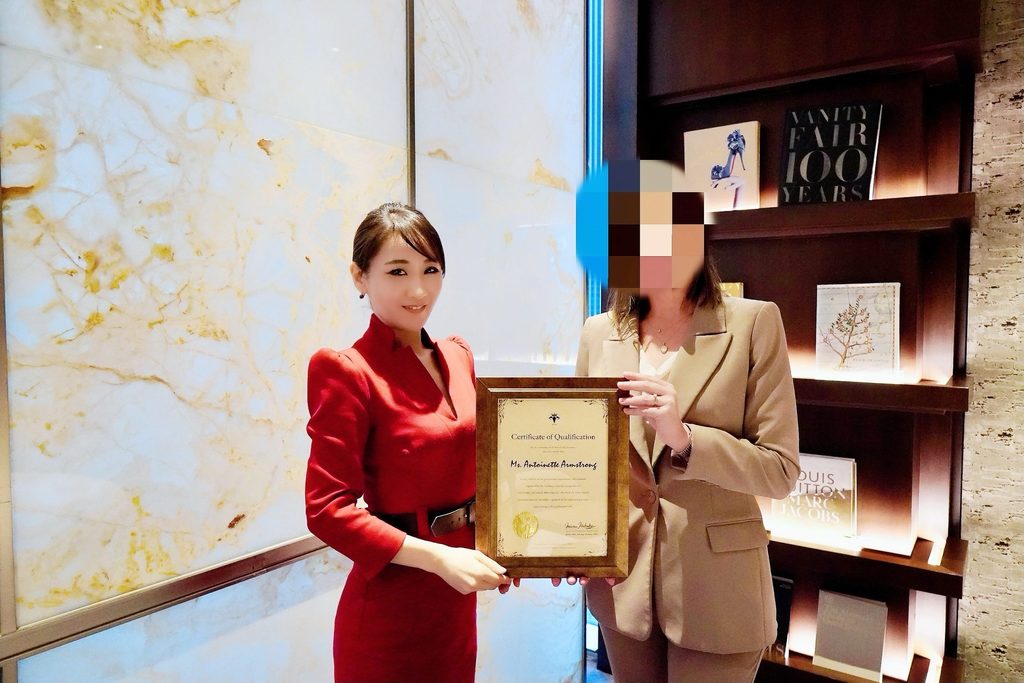
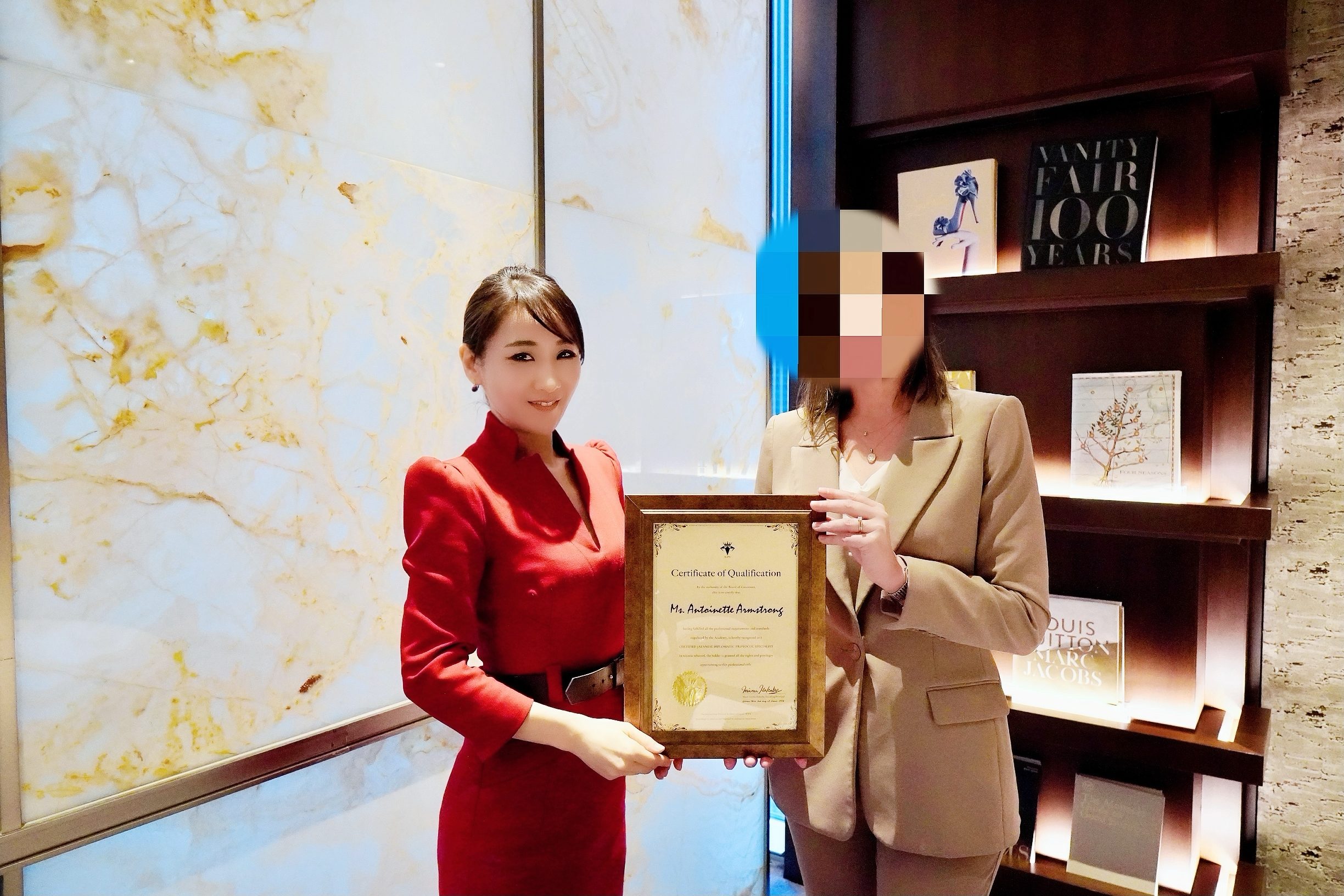
Ms Antoinette Armstrong, Chief of Protocol at Air Force Special Operations Command (AFSOC), is the first to be certified as a Japanese Diplomatic Protocol Specialist by The International Protocol Academy of Japan. After seven days of intensive study in Tokyo, including visits to the Imperial Palace and the State Guest House, Akasaka Palace, she spoke with ICPA about the moments that shaped her experience and what she will carry home.
ICPA: Congratulations on completing the programme. In a few words, how would you describe the experience?
Ms Armstrong: An adventure, and a wealth of knowledge. It was intense, as promised, but also remarkably well-rounded. Its three components each reinforce the others, so you understand both what you are learning and why it matters. I enjoyed every single day.
ICPA: Was there a particular moment when something shifted for you, professionally or personally?
Ms Armstrong: The visit to the Imperial Palace. Its grandeur, and the seriousness with which protocol is treated at the level of the state, made everything clear. It raised the rest of the training to that same standard. It showed me the foundation of what we were learning, and the reason behind it. The why.
“It was the foundation of what we were learning — and the why.”
ICPA: The programme brings together Japanese ceremonial tradition and contemporary international protocol. With your experience in the field, what set it apart from other training you have encountered?
Ms Armstrong: The experiential elements: the Imperial Palace, the kaiseki luncheon, and the State Guest House. They turned the instruction into something applied. They made it plain that this is not simply something to learn. It is something to feel.
ICPA: What did you take from the kaiseki luncheon?
Ms Armstrong: An appreciation of the sequence of the dishes and the reasoning behind that order, and of being fully present with the person across the table. That is not standard where I come from. The pauses, the silence, the space, and honouring all of them, were deeply important.
“The pauses, the silence, the space — honouring them was deeply important.”
ICPA: Of all the field visits, which was the most memorable?
Ms Armstrong: The Imperial Palace was magnificent. Honestly, though, the State Guest House may have surpassed it. It felt like visiting the White House, but on another level entirely. Being able to get so close, to be inside, to see and feel it, allowed me to absorb the protocol in a way that strengthened every part of the instruction. Because this is my professional field, the connection was immediate. It reaffirmed the importance of what we do.
ICPA: Protocol at the highest level is often called invisible: felt rather than seen. Did the programme change your understanding of that idea in the Japanese context?
Ms Armstrong: It did not so much change it as solidify it, and it certainly deepened my sense of its importance. In the day-to-day demands of a protocol office, you can lose sight of that significance. Coming here restored it: the importance of the why, and of what we are really doing. We are creating honour, respect and dignity. The invisible dimensions of Japanese protocol, though, are very different, and they run deeper than one might imagine.
“We are creating honour, respect and dignity.”
ICPA: Finally, as Chief of Protocol at AFSOC, your voice carries considerable weight. To whom would you recommend this programme, and what would you say to someone considering it?
Ms Armstrong: I would recommend it to anyone with direct relations or contacts with Japan. The knowledge offered here goes above and beyond what you will find elsewhere. The programme is precise about Japanese customs and courtesies, as one would expect, but it goes a step further by tracing the history and showing how that history built the protocol itself. That is what sets it apart. The instruction genuinely respects that history, which matters greatly in a culture that places such weight on honour and respect. Anyone who does business with Japan would benefit enormously.
I would also recommend it to any Chief of Protocol, even one who does not work with Japan. Gaining another level of knowledge gives you a different perspective on the protocol policies and procedures you put into practice.
A Parting Toast
The interview ended, fittingly, with a toast of kampai. Ms Armstrong said it is a custom she will take home to her senior leaders, a small touch of Japan carried into the protocol office where she serves.
The Japanese Diplomatic Protocol Specialist Programme is offered by The International Protocol Academy of Japan. For enquiries, please visit our Enquiry page.